Radio Bulgaria


Author
Joan Kolev
News
Vietnam is becoming an increasingly desired destination for Bulgarian tourists
Sunday 28 December 2025 14:15
Sunday, 28 December 2025, 14:15

PHOTO Joan Kolev, BNR
Font size
The days between the old and new year are a favorite time for many Bulgarians to travel abroad. In addition to the already standard European destinations - neighbouring Balkan countries and European capitals - our compatriots are increasingly choosing to spend exciting moments in more distant and exotic places. Vietnam has recently been establishing itself as an intriguing destination. The growing interest among Bulgarian tourists is partly driven by the decades-long historical ties between the two countries, dating back to before the democratic changes in Bulgaria.
From winter wonderland to exotic shores – record-high holiday season travel
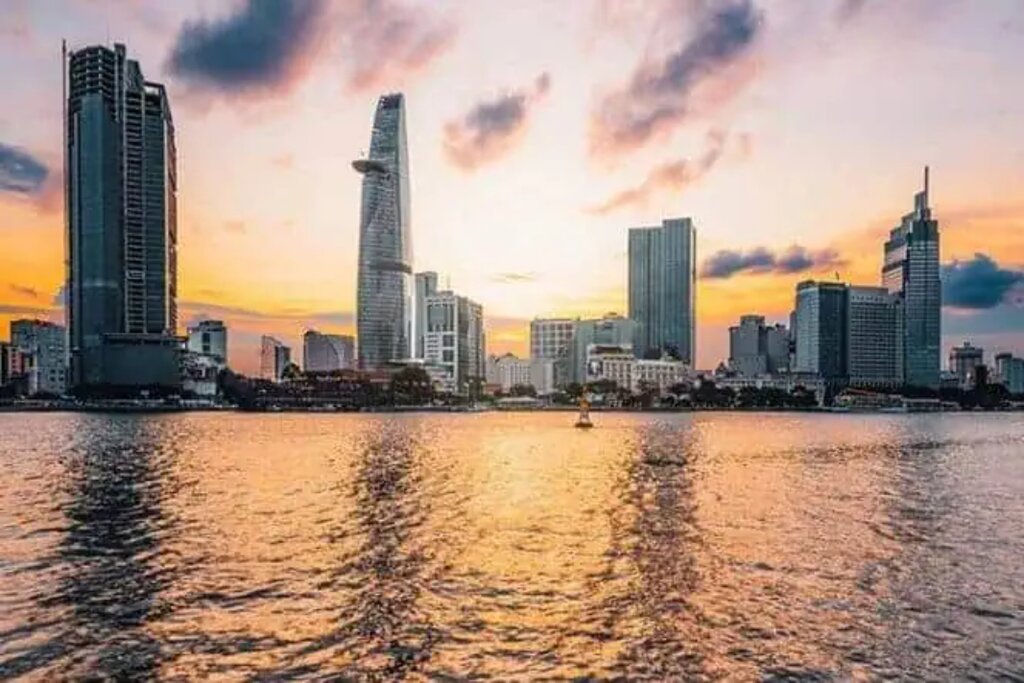
PHOTO vietnamdiscovery.com
“During the 1960s, 70s, and 80s, there were many Vietnamese people in Bulgaria who worked or studied here. Their total number is considered to have been around 30,000 during those decades. In the 1990s their arrival ceased, but some managed to stay, and some started families in Bulgaria. Twenty years ago there were around 3,000 Vietnamese living in Sofia; today they number between 1,000 and 1,200. One reason is that some decided to return to Vietnam, while others had children who later moved to Western countries and did not return to Bulgaria. Currently, a new wave of Vietnamese is coming to Bulgaria - again, some are students and the rest are workers,” explains Dayana Ivanova.
Dayana Ivanova has spent three years in Hanoi and Ho Chi Minh City, studying Vietnamese as part of her master’s program in Eastern Languages and Cultures at Sofia University.

PHOTO vietnamsensetravel.com
Dayana’s personal observations are that there are not many Bulgarians living in Vietnam. She has not encountered official statistics, but she shares what is known: Bulgarians there are valued specialists in various fields, including qualified pilots, engineers, doctors, coaches, athletes, businesspeople, and traders.
Vietnam is among the modern exotic destinations for Bulgarian expats and tourists, a trend further supported by the visa relaxations introduced this summer. Under these rules, Bulgarians are allowed a 45-day visa-free stay in the country.
The Christmas - New Year period is particularly suitable for traveling to the Asian country, as around 7 million Catholics live in Vietnam and Christmas is one of the respected holidays there, even though much of the population follows the Lunar calendar, which determines natural and festive cycles, Dayana Ivanova tells us.
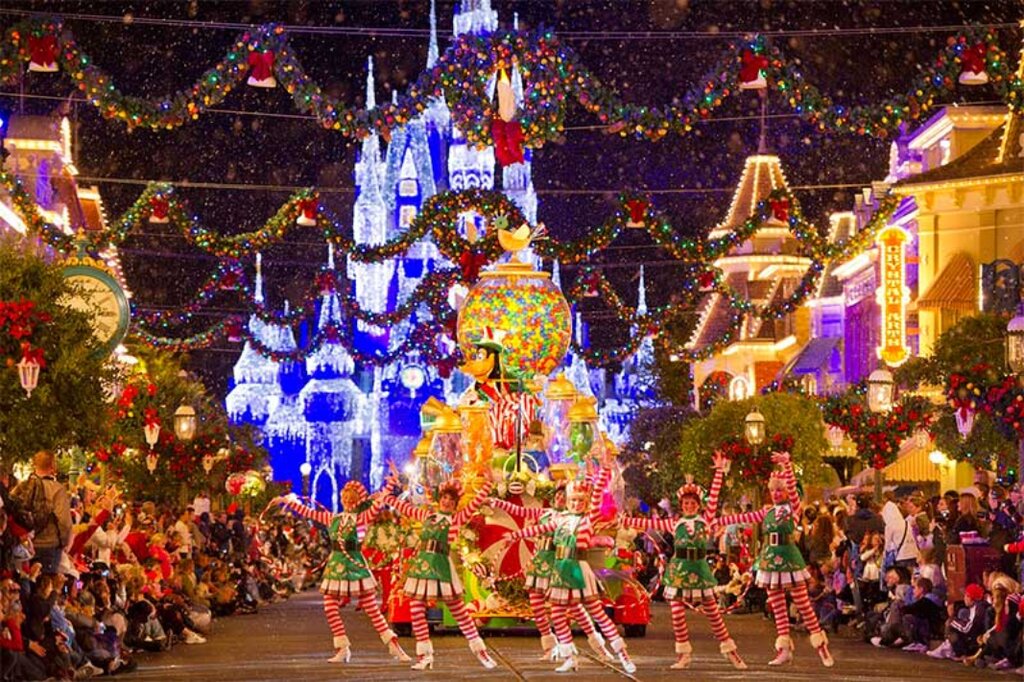
PHOTO nadovatours.com
“To foreigners it may seem strange and interesting how much Christmas decoration is put up in Vietnamese cities. Just like in Bulgaria, decorations appear at the beginning of December, and even though in some parts of the country it’s 30 degrees, you can still see Christmas trees and garlands in the streets and shopping centers. Symbolically, the holiday is well liked and respected.”
The diverse, multiethnic composition of the population in the Asian country - which, despite its communist government, is today extremely tolerant toward different religious denominations - is unsurprising when one looks more closely at Vietnam’s history, Dayana explains:
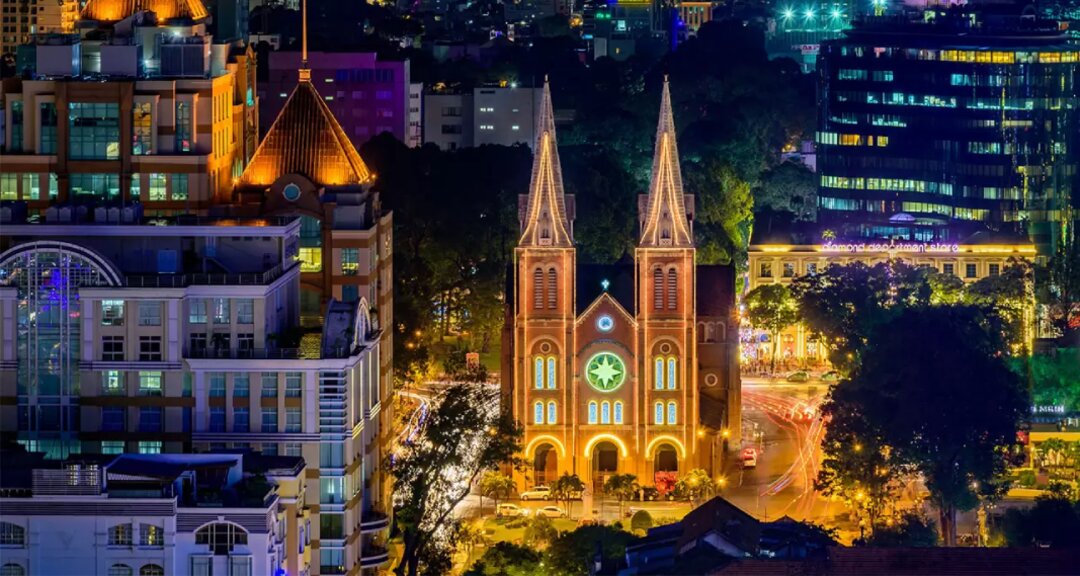
PHOTO vietnamtravel.com
“Vietnam was a French colony until the 1950s. It’s no coincidence that one of the symbols of its largest city, Ho Chi Minh City, is a Catholic cathedral named Notre Dame and built in the French style. After the formation of the Democratic Republic of Vietnam (proclaimed on September 2, 1945), nearly 1 million Catholics, worried about what might follow, migrated south to the French-backed government in South Vietnam. There were promises that elections would be held and reunification would happen democratically, but this never came to pass.”

PHOTO vinwonders.com
This is why, to this day, most Christians continue to live in the southern part of Vietnam where Christian churches are concentrated. According to statistics, there are around 7,000 cathedrals in Vietnam. The country is home to 14 million Buddhists, 7 million Catholics, and about 2 million Protestants, and it also has one Orthodox church. Bulgarians who know about it never miss the opportunity to visit, Dayana says:
“It’s located in Vũng Tàu, a coastal city on the South China Sea and the fourth largest in Vietnam. Many Russians live there - they built the extraction facilities and refineries processing petroleum deposits discovered during the socialist era.”
What sparked Dyana Ivanova’s interest in Vietnam?
The young girl developed an interest in the Asian country gradually and through her acquaintance with a language that seemingly has nothing to do with Vietnamese. Her main language of study in the Eastern Languages and Cultures program at Sofia University was Japanese. The program, however, offered specialization in Vietnamese, and she says the best way to understand and master the language and culture of Vietnam is to immerse yourself in it directly. She won a scholarship and left to pursue a master’s degree in Vietnam studies. Surprisingly, she even found similarities between Japanese and Vietnamese:
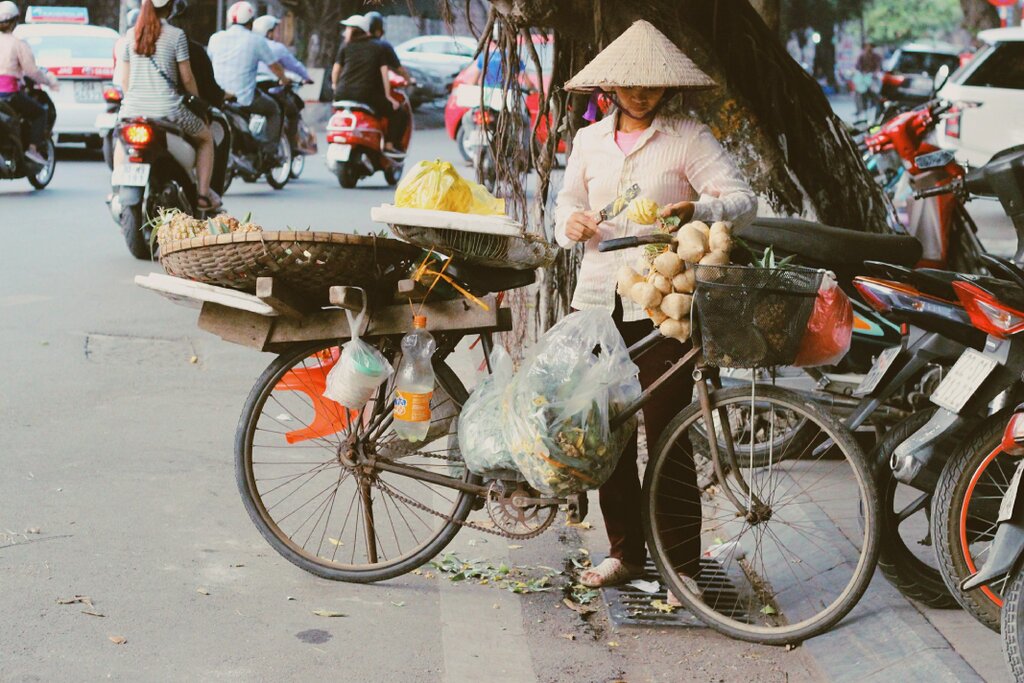
PHOTO Facebook/ Dayana Ivanova
“Since both languages borrowed heavily from Classical Chinese, many words entered both Japanese and Vietnamese. They are pronounced differently but stem from the same roots. In the past, Vietnamese was written with hierogliphs - both Old Chinese and Classical Chinese were used, and later original Vietnamese characters were created. The idea of writing Vietnamese in the Latin alphabet came from the first missionaries who arrived in the 16th and 17th centuries. The first text written in Vietnamese using the Latin alphabet was the Bible. In the 19th century, when the French fully conquered Vietnam and made it their main colony in Southeast Asia, they definitively imposed the Latin script, which best reflects the sounds of the Vietnamese language.”
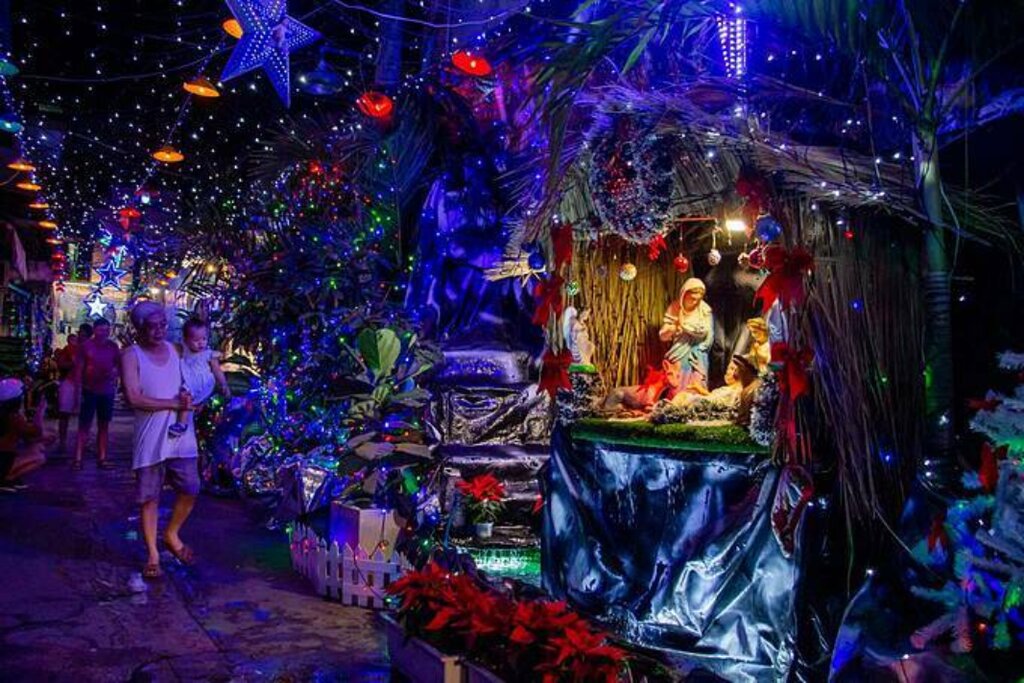
PHOTO vinwonders.com
Read also:
President Rumen Radev: Vietnam is an important partner for Bulgaria
Bulgaria's President opens business forum in Ho Chi Minh during his Vietnam visit
English version: R. Petkova
This publication was created by: Rositsa Petkovva