Radio Bulgaria


Author
Veneta Nikolova
Friday 2 January 2026 07:40
Friday, 2 January 2026, 07:40
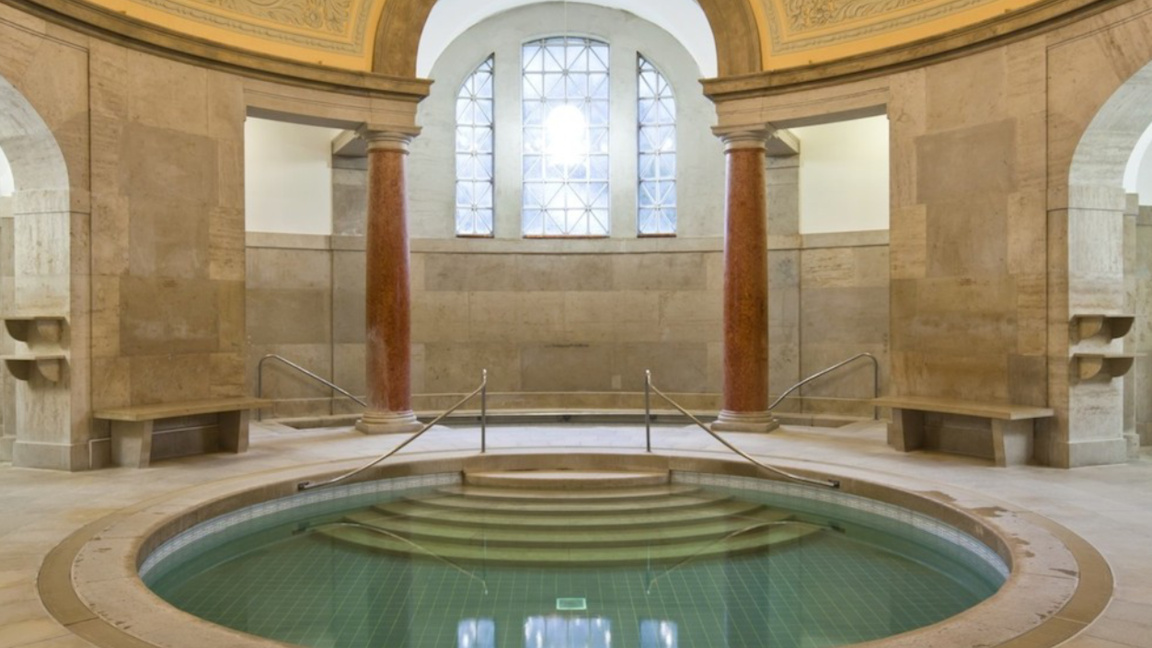
PHOTO thermalassociation.bg
Font size
Bulgaria stands out on Europe’s thermal map with its more than 225 mineral springs. Throughout the centuries, towns, public baths, and a whole culture centered around healing waters have emerged around them. Yet, to this day, there is no official state register showing the locations of these facilities, which ones are operational, and their current condition. To fill this gap, the Bulgarian Association for Thermal Heritage (BATH) created an interactive map to guide public interest toward the country’s mineral baths. The map, however, paints a grim picture – of the 125 baths listed, only around 50 are functioning, and many of them are in poor condition. According to architect Ivaylo Zahariev from BATH, only around 20–25 mineral baths are functioning well.
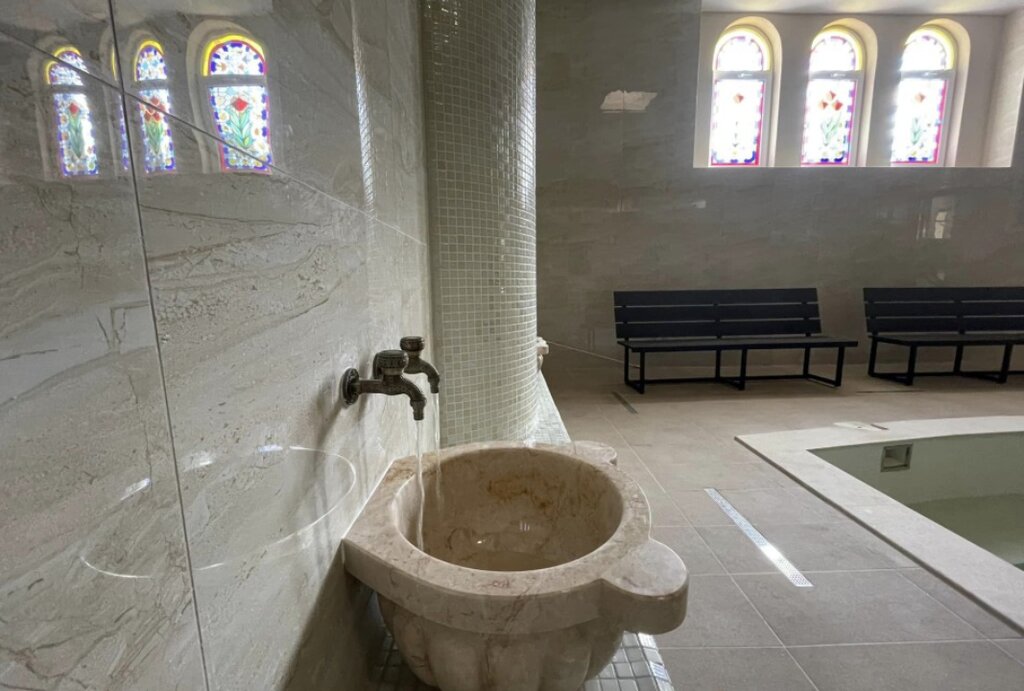
PHOTO mineralnibani.bg
“The mineral bath is a tradition in Bulgaria. These baths have separate male and female sections, so people enter without swimsuits, enjoying a private and relaxing experience with the mineral water. Being among people of your gender is actually much more relaxing because you don’t worry about how you look. One is truly in touch with nature, as the main focus here is on the mineral water and balneology – usually water springs from beneath the bath and is constantly renewed in the pool”, said Ivaylo Zahariev.
Unlike spa centers, where water is treated with chemicals because people wear swimsuits, the traditional bath is ‘alive', with a constant flow that springs from the ground beneath it. This makes it not just a place for relaxation, but also for preventive health and wellness treatments. Architect Zahariev also highlights the historical context of this heritage:
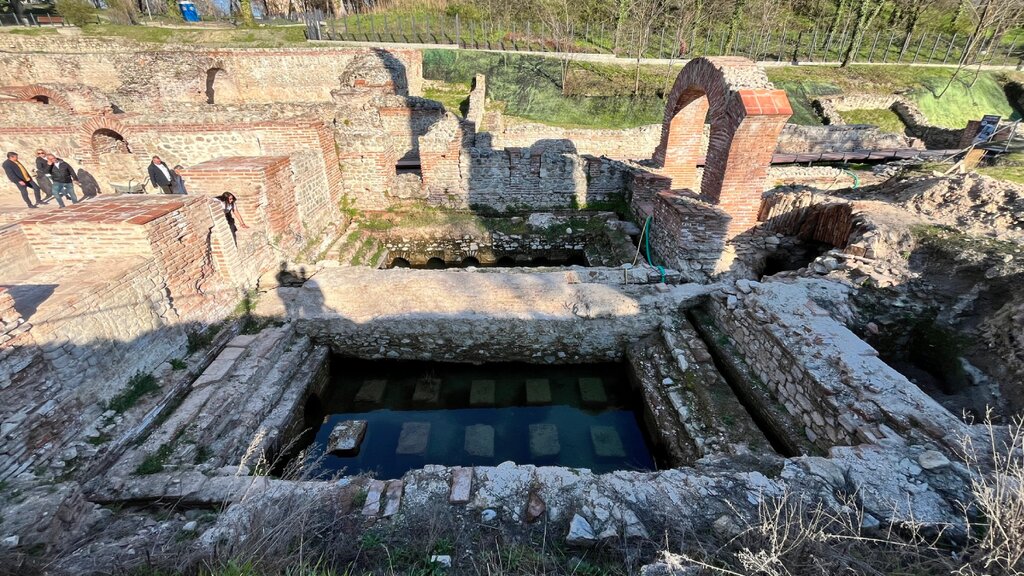
The Roman Thermae of Diocletianopolis
PHOTO thermalassociation.bg
“Baths are a very old phenomenon in our lands. The Romans were the first to build baths. In Bulgaria, several large bath buildings have been preserved. The largest Roman baths were recently uncovered in Ratiaria near the village of Archar in the Vidin region. This is the third-largest Roman bath ever found in the world, while the fourth-largest are the Roman baths in Varna, which have been turned into a museum. Later, the Ottoman Empire inherited these baths, and in the early 20th century, when Bulgaria became an independent kingdom, it became customary to restore baths in much larger buildings, such as the Central Mineral Bath in Sofia, Bankya, and Ovcha Kupel", architect Zahariev said.
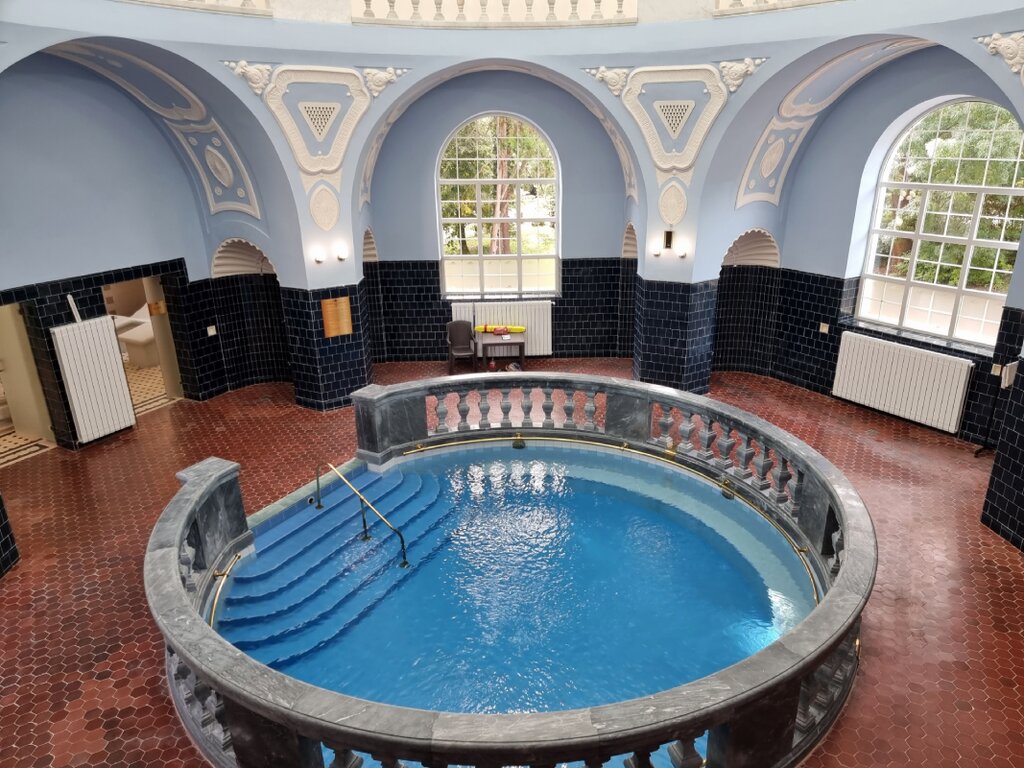
Bankya’s restored mineral bath
PHOTO BTA
Unfortunately, the state of many thermal facilities today is deeply concerning – many are abandoned, others have been converted into luxury spa complexes, and only occasionally are there partial attempts to restore their original function. The small bath in Pancharevo residential district is the only one of the 12 former capital baths still operating according to the traditional model, and it is extremely popular among foreign visitors, architect Zahariev said and added:
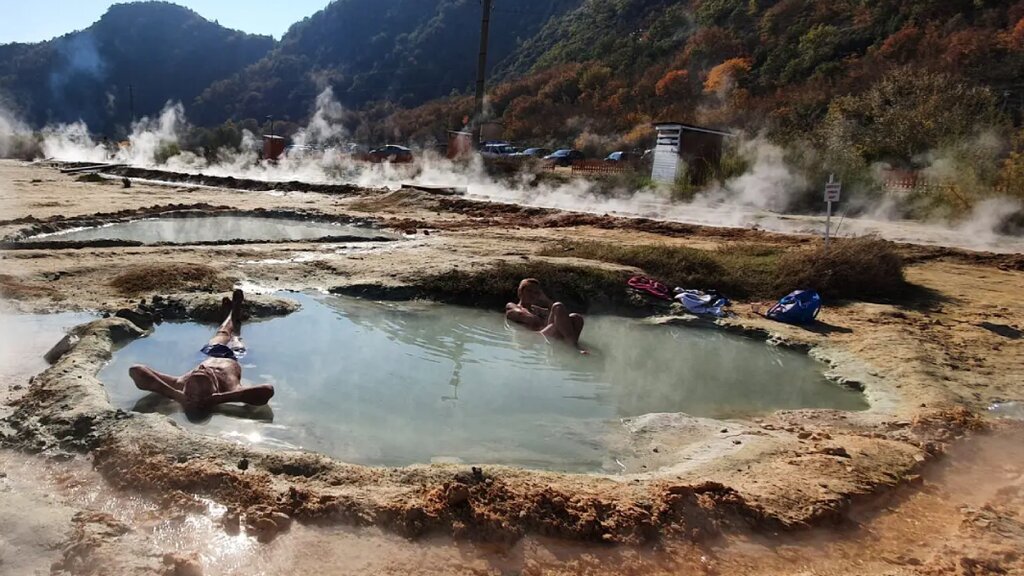
Rupite Mineral Bath
PHOTO thermalassociation.bg
“If you look at the map we created, you can see that Southern Bulgaria has many more springs than the north, and most of the country’s balneological resorts are located there. There are plenty around Hisarya, but unfortunately, out of six baths in the town, only one is currently operating. In Strelcha, Starosel, Krasnovo, and in the village of Banya near Karlovo, the local baths are well maintained and actively used.
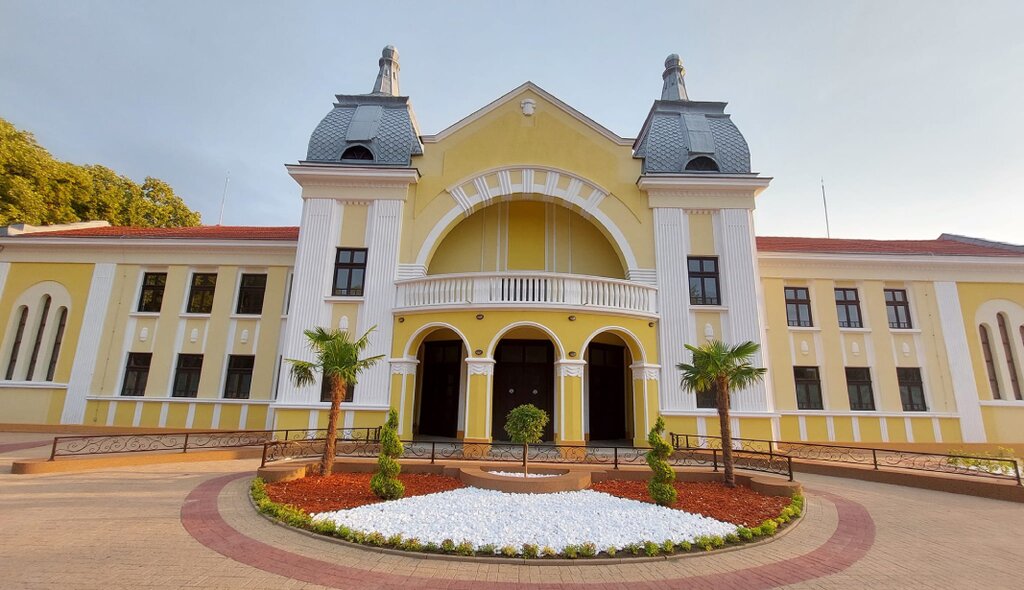
The mineral bath complex in the village of Yagoda
PHOTO thermalassociation.bg
In the Stara Zagora region, the restored bath in the village of Yagoda stands out as a true architectural gem from the early 20th century. In the south, the Haskovo mineral baths have also been renovated and are well maintained. There are also strong thermal traditions around Velingrad, where six facilities are almost fully operational, as well as in the Melnik and Petrich region, with functioning baths in Marikostinovo, Kresna, Simitli and Yakoruda. Unfortunately, although the state has good intentions and makes promises, in reality only a small number of abandoned mineral baths have concrete plans for development and restoration”, concluded architect Zahariev.
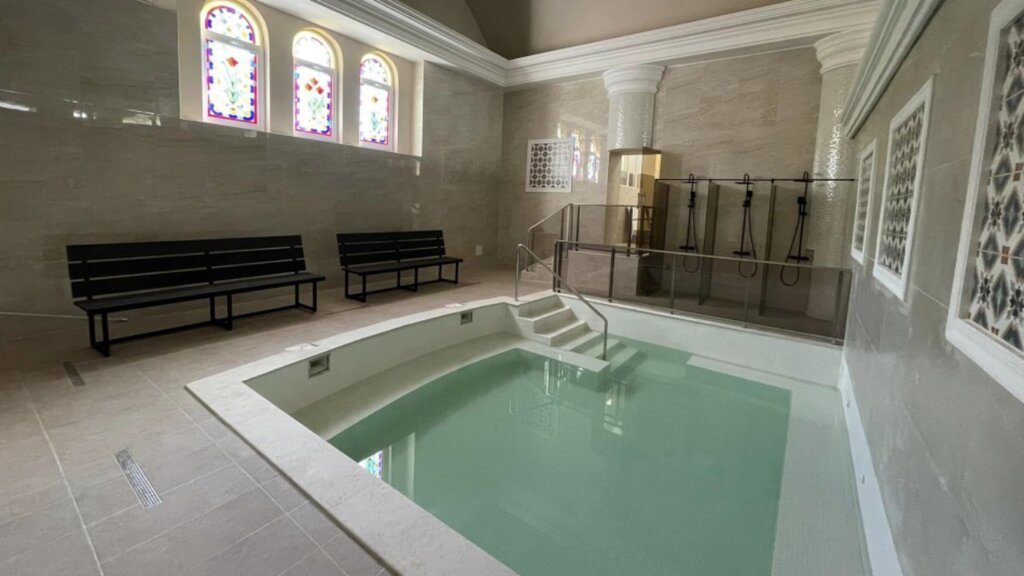
The municipal bath in the village of Mineralni Bani
PHOTO mineralnibani.bg
This publication was created by: Kostadin Atanasov