Radio Bulgaria


Author
Darina Grigorova
News
On January 6 the Bulgarian Orthodox Church celebrates one of its greatest feasts
On Epiphany, the water purifies the world for a new beginning
Tuesday 6 January 2026 05:15
Tuesday, 6 January 2026, 05:15
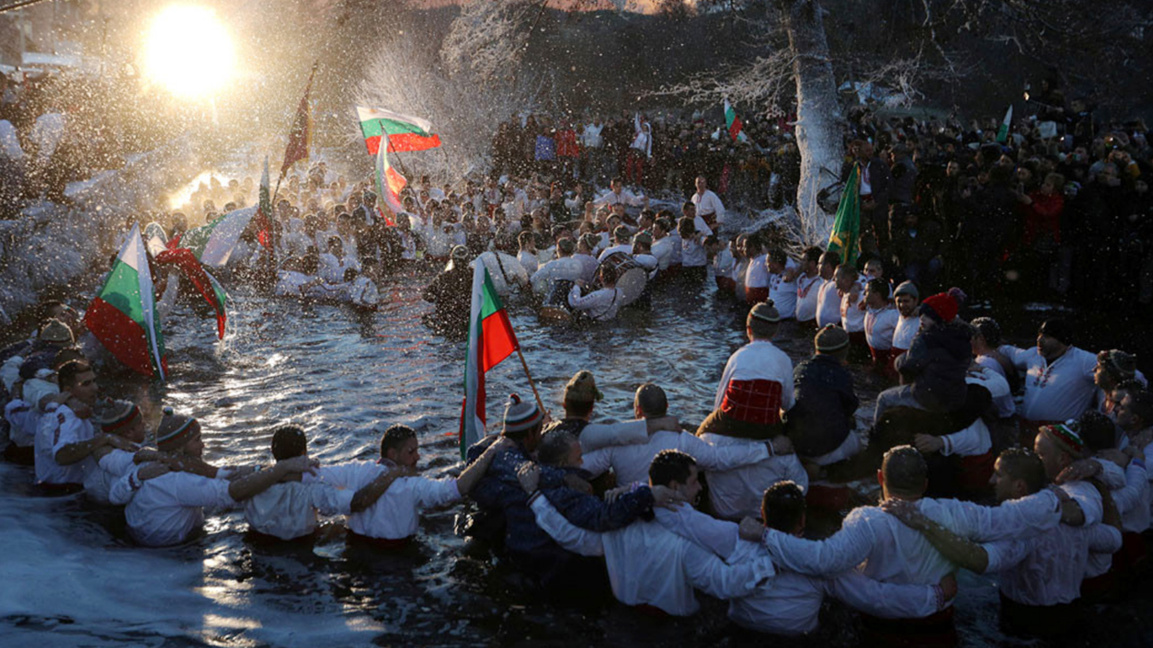
PHOTO REUTERS/Stoyan Nenov
Font size
On January 6, the Bulgarian Orthodox Church celebrates one of its greatest feasts – Epiphany (known as Bogoyavlenie or Yordanovden in Bulgarian (day of Jordan).
According to Christian teaching, this is the day on which God revealed Himself to humankind in His triune essence, as John the Baptist baptized His Son in the River Jordan. When the Savior emerged from the water, the heavens opened and the Holy Spirit, in the form of a white dove, descended upon Him, and a voice was heard from heaven: “This is My beloved Son, in whom I am well pleased.” Then, having witnessed the manifestation of the Holy Trinity, thousands were baptized in the sacred river. This is why the feast is called Epiphany, and in Bulgaria the day is also known as Voditsi (waters) and Vodokrasti (water baptism).
On Epiphany, God hears the prayers of the faithful and the Holy Spirit sanctifies the water
There is a belief that on the night before this great feast the heavens open and God hears the prayers of the faithful. On the eve of Epiphany, as well as on the feast day itself, the so-called Great or Epiphany Blessing of the Waters is performed. For this reason, Orthodox Christians believe that Epiphany water possesses the greatest purifying power.
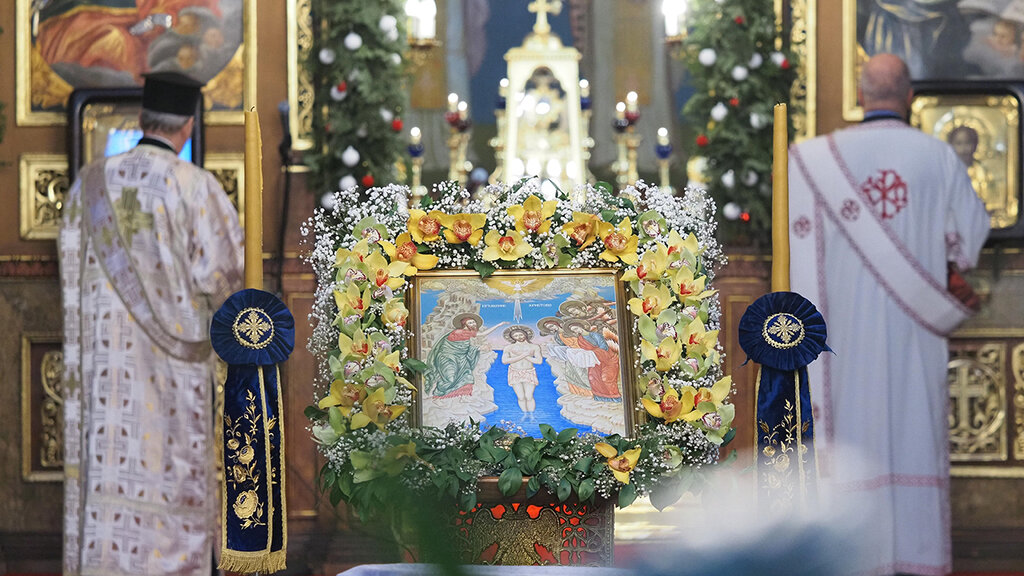
PHOTO BGNES
On the feast day itself, a festive Divine Liturgy and the Blessing of the Waters are celebrated in churches. Afterwards, according to tradition, the priest leads the faithful to a nearby body of water and throws the cross into it. Men plunge into the icy waters to retrieve it. It is believed that the one who reaches the cross first will be healthy and happy throughout the entire year.
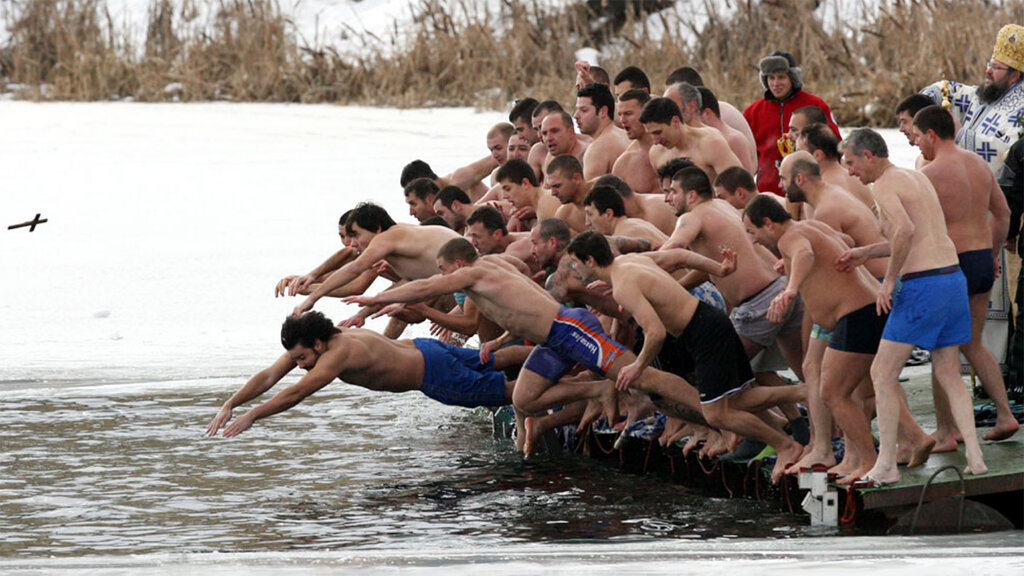
PHOTO BGNES
According to folk belief, if the weather on this day is clear and the cross freezes in the water, the year will be healthy and fertile.
During the Great Blessing of the Waters, all waters on earth are symbolically sanctified, and therefore it is believed that water from springs and fountains is also blessed and healing. The Orthodox Church uses Epiphany water to drive away spiritual and physical impurity, and the faithful take it on an empty stomach to strengthen the spirit, as well as in cases of illness. They also keep it in their homes throughout the entire year.
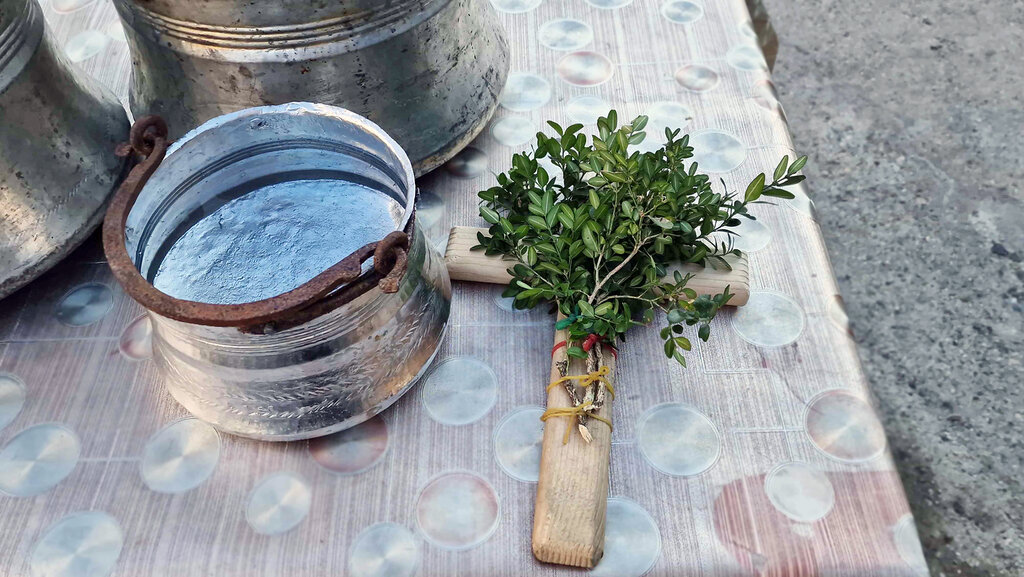
PHOTO BTA
If a certain amount of the old blessed water remains, it is used to knead three ritual loaves of bread. The first is called the bread for the home, the second for the guests, and the third for passers-by, and it is left in front of the house together with a flask of wine.
In the folk calendar, Epiphany marks the end of the so-called “unclean days” (from December 25 to January 6). The evening of January 5 is the third and final censed supper with fasting dishes. The ritual table once again includes walnuts, raw wheat, and the partially burned candle from the previous censed evenings. A round loaf of bread is kneaded, and small ritual rolls are made, along with stuffed sauerkraut leaves, stuffed peppers, and beans.
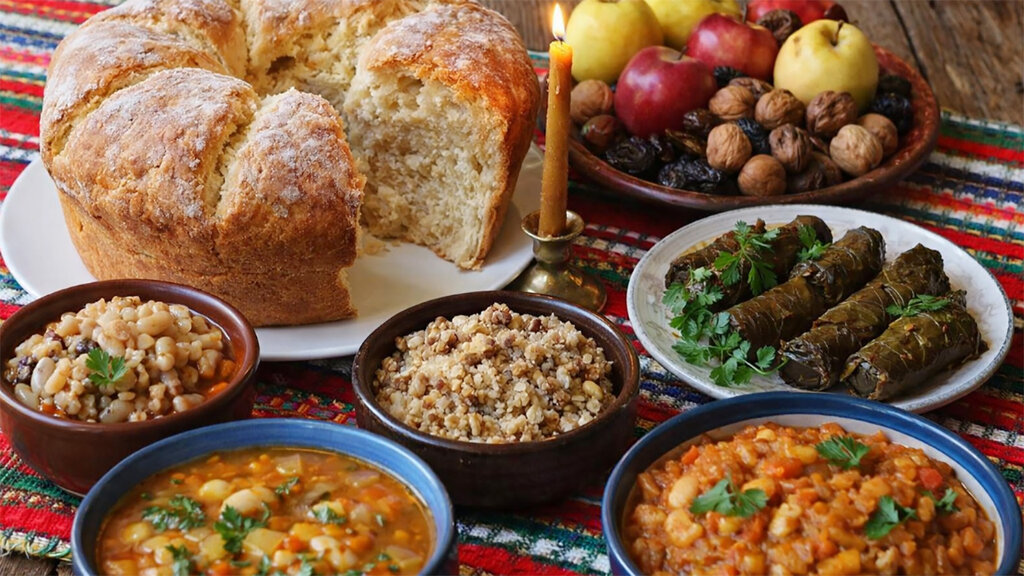
PHOTO Archive
On January 6, people named Yordan, Yordanka, Dancho, Dana, Boyan, Bogdan, and Bogdana celebrate their name day. As part of the ritual washings and sprinkling with water on Epiphany, there is also a tradition for all celebrating their name day to be doused with water for health.
English version: R. Petkova
This publication was created by: Rositsa Petkova