Radio Bulgaria


News
Vërnik – history and traditions in “the first Bulgarian village in Albania"
Monday 5 January 2026 15:52
Monday, 5 January 2026, 15:52
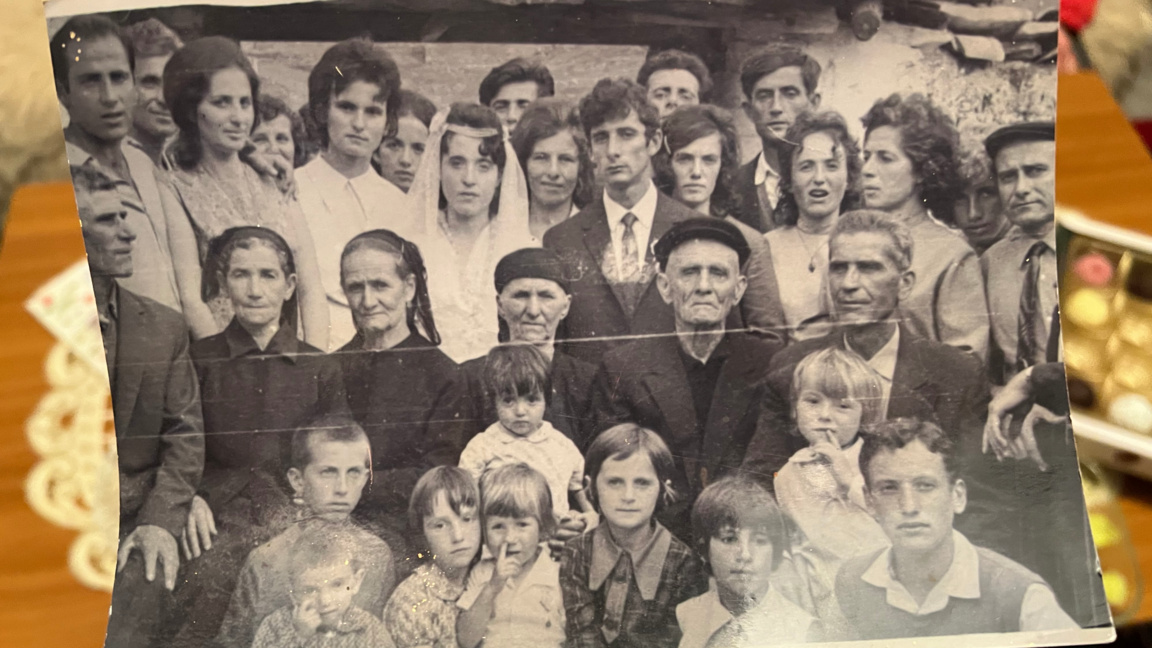
PHOTO Vesela Krasteva
Font size
The first days of 2026 have proven to us that people are still the
same despite changing times. With new currency in our wallets and hope for a bright future,
today we will tell you about a small village that is unknown to many
and in this regard "new", but it has existed for centuries
and carries within itself the thin thread that connects "there"
and "here", but also "yesterday", "today"
and "tomorrow".
This is the
Bulgarian village of Vërnik in Albania. Nestled in beautiful nature, once
surrounded by willows and water, it takes its name from the very land
that gave life to generations of Bulgarians. Today, the village is
nearly deserted with just thirty inhabitants, but its stories are
still preserved - in the hearts and thoughts of the people who
remained. A team of Radio Bulgaria visited the village at the end of
2025, on the day of the village's holiday – the feast of St. Petka,
and was warmly welcomed by mayor Pandi Endriko. He is one of the
few born here who have chosen to return. His story is a mirror of the
fate of Vërnik in recent decades.
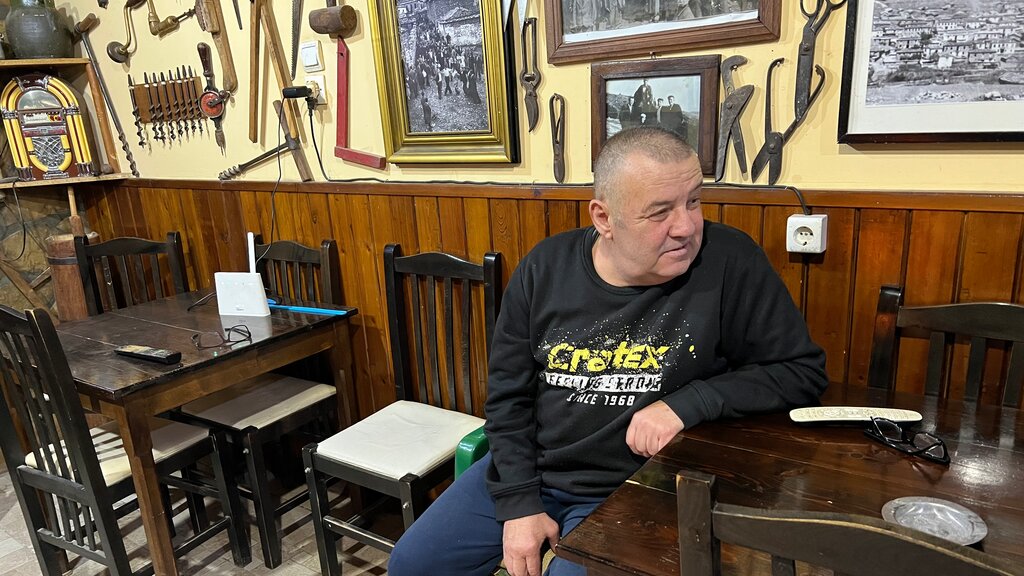
PHOTO Vesela Krasteva
"About thirty years ago, during communism, almost no one left
the village. About 450 to 550 people lived here. After the changes
and the coming of democracy, young people started to leave because
there was no work here. They went abroad - to Greece, Bulgaria, Germany,
America. So, the village gradually became depopulated," Pandi
says. He himself lived and worked in Greece for many years, but
returned to his parents and to his roots.
The
mayor does not have an exact answer to the question "When was
the village founded?". Its roots are certainly centuries-old
and people
call it
"the first Bulgarian village" in Albania. Vërnik does not
remember its year of birth, but it remembers its people. Its founding
is not recorded in documents, but is hidden in the roots of the
families, in the old houses, in its
Bulgarian spirit.
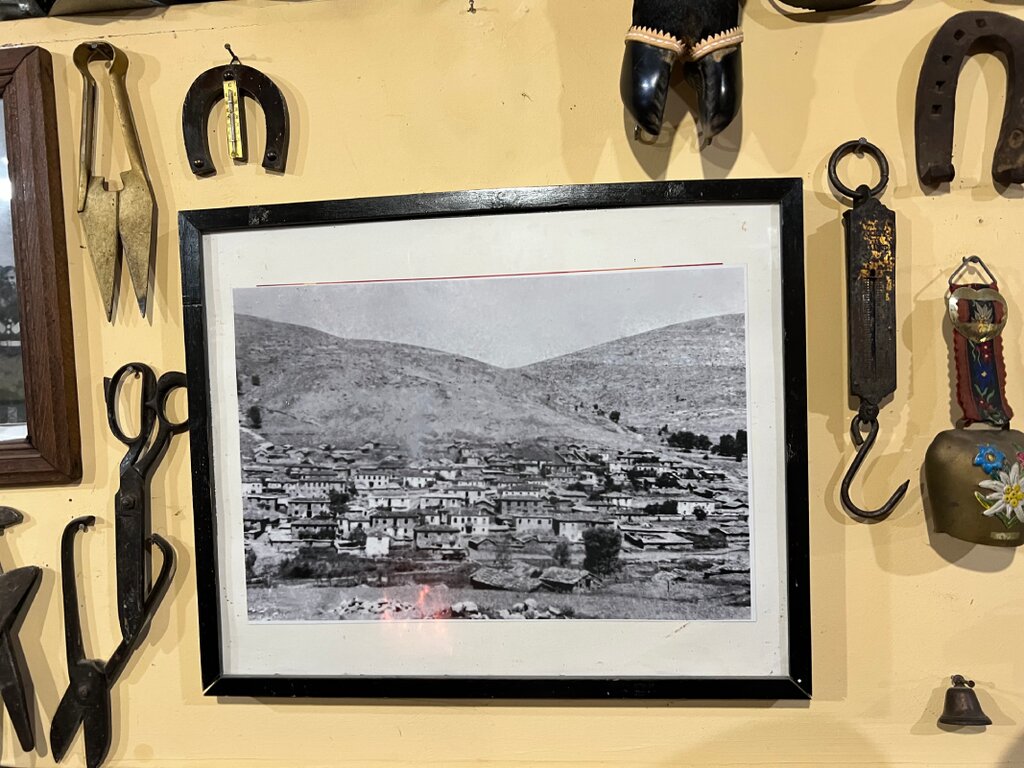
PHOTO Vesela Krasteva
"No
one knows exactly when it was built. My house is over a hundred and
fifty years old. My family is from here – my great-grandfathers and
grandfathers were born here. All our ancestors are buried in the
local cemetery," Pandi Endriko
says.
Today,
there are about thirty people left in the village of Vërnik – only
elderly people, all over 75. There is no school anymore and there are
no children. The houses are old, most of them over a hundred years
old, but in the summer some of them come to life again – children
from the cities and abroad return, even if only for a month or two.
As
mayor of the village, Pandi Endriko knows its needs. The
biggest problem, according
to him,
is the sewage system, which is extremely outdated and in some places
missing. However, he does not forget to mention that there are also
reasons for gratitude. Such as the road that leads to the village –
repaired thanks to the support of the Bulgarian state. The people in the village are deeply grateful for this because this road is their
connection to the world.
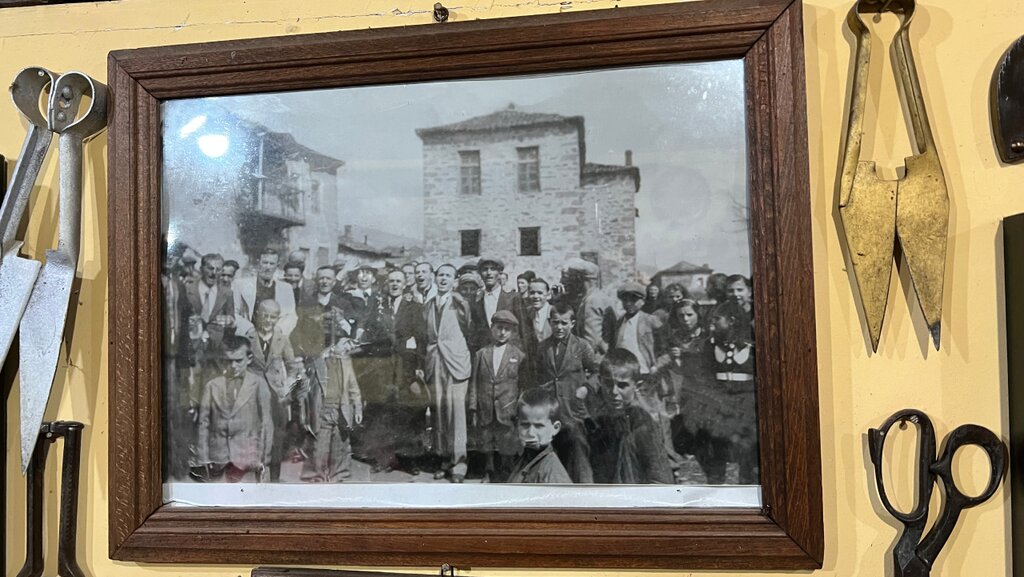
PHOTO Vesela Krasteva
The biggest pain for the locals is the condition of the church "St. George", which needs urgent repair. Built in 1823, the church survived a fire during the Ilinden-Preobrazhenie Uprising and was restored by the residents of the village and the Mala Prespa region. During the reign of Enver Hoxha, the church was converted into a room for drying clothes. In the late 1990s, the temple was restored again. Today, its existence as a source of hope and unity is once again put to the test. The roof of the church is in dire condition and needs repair. "This church is not just a temple, but a guardian of the memory of the residents of this place, a symbol of their faith and spirituality," Pandi Endriko tells us.
The archaic Bulgarian speech of grandmother Dimana Shano takes us back in time – a voice in which every word carries its own emotion, and every pause preserves memories.
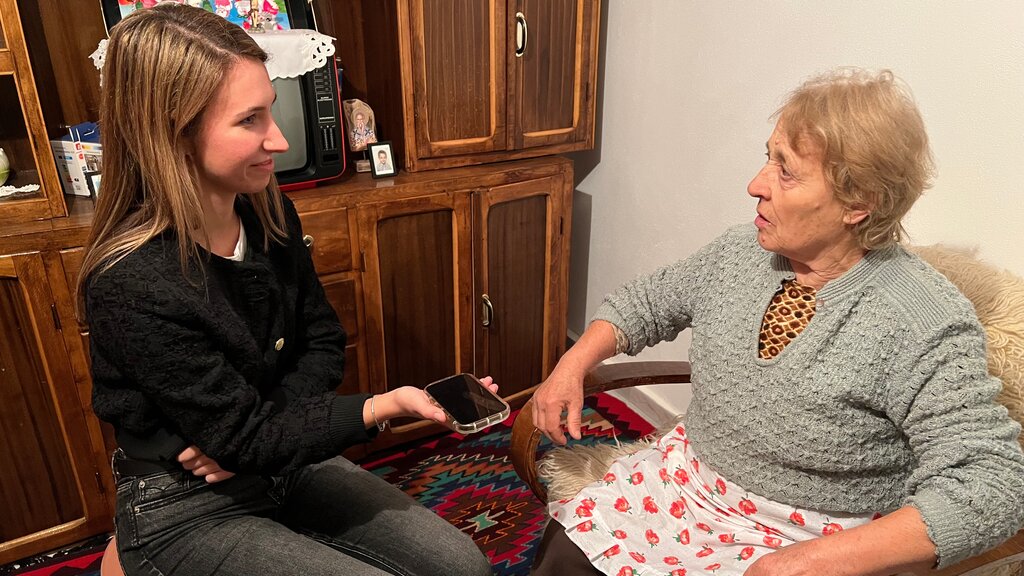
Kostandina Belo and Dimana Shano
PHOTO Vesela Krasteva
"You
have come to us on the feast of St. Petka. For St. Petka, cabbage is
boiled. A stew with cabbage is prepared, but the meat must be dried –
pastrami from sheep or goat. This is how it was cooked in the past.
No beef or pork was used, because the stew does not turn out tasty.
Potatoes and soup were also
prepared.
This is how the feast was celebrated."
In
the past, the village was one big family, she tells us. All the
houses were full. Guests were invited for holidays. "There were
many
people,"
Dimana Shano
recalls
with a nostalgic smile.
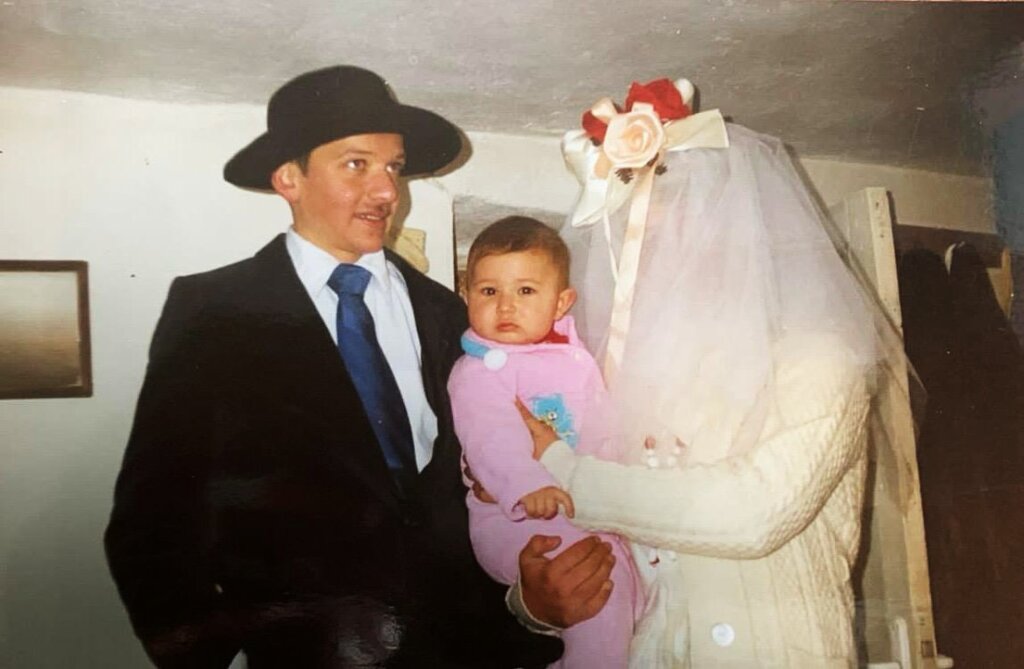
PHOTO Personal archive of Dimana Shano
The women in the village of Vërnik are not only good guardians of traditions and customs, they are also masters in the kitchen. Some of the traditional dishes of the village are banitsa with beans, byurek, mlechnik, as well as sweets such as baklava, and many others. And during the year, the greatest emotion for everyone came from the wedding customs.
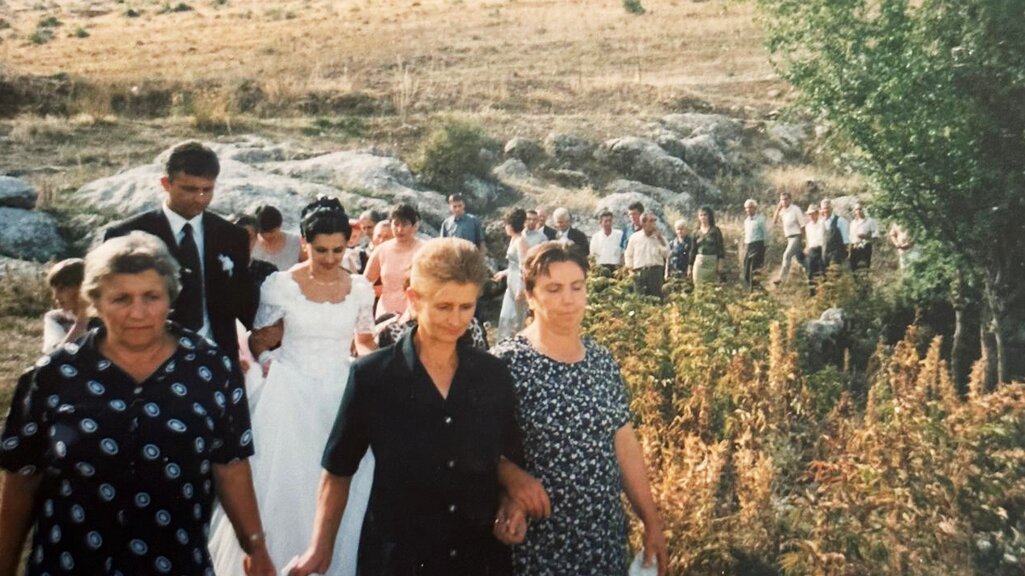
PHOTO Personal archive of Dimana Shano
"Weddings started on Monday," Dimana Shano tells us. "Apples were bought and two children would go and hand out an apple to each house to invite people to the wedding. Now they send written invitations. Then 'slanudok' (chickpeas) was prepared for kneading a cake.“ Grandma Dimana says. „The whole family gathered at the groom's house and sang all night. The singing didn't stop until morning. The next day, ritual bread was kneaded. The ovens were full. 10-11 trays of ritual bread were made - decorated on top with flowers and sugar. On Friday, relatives from the groom's side came to pick up the bride's trousseau. The groom's mother bought the wardrobe.

PHOTO Personal archive of Dimana Shano
The whole village participated. The groom would invite the whole village to come to take the bride and everyone would go together. In the past, the whole village would go – it didn’t matter if you were a relative or not. Everything was done with great joy. There was music, songs, dancing along the way. Different songs were sung – some from the bride’s side and others from the groom’s side. A shirt was tied around the bride’s arms, and a little boy led her in front. They stopped in the middle of the road so that the groom could throw money into the shirt and buy the bride, otherwise they wouldn't give her away. When the bride left her house, she turned around and bowed three times and then left, and when she entered the new home, she stepped with her right foot first. They smeared her hands with honey and she smeared the outer door of the house so that life would be sweet. They put bread under her arms so that the house would be full and rich."
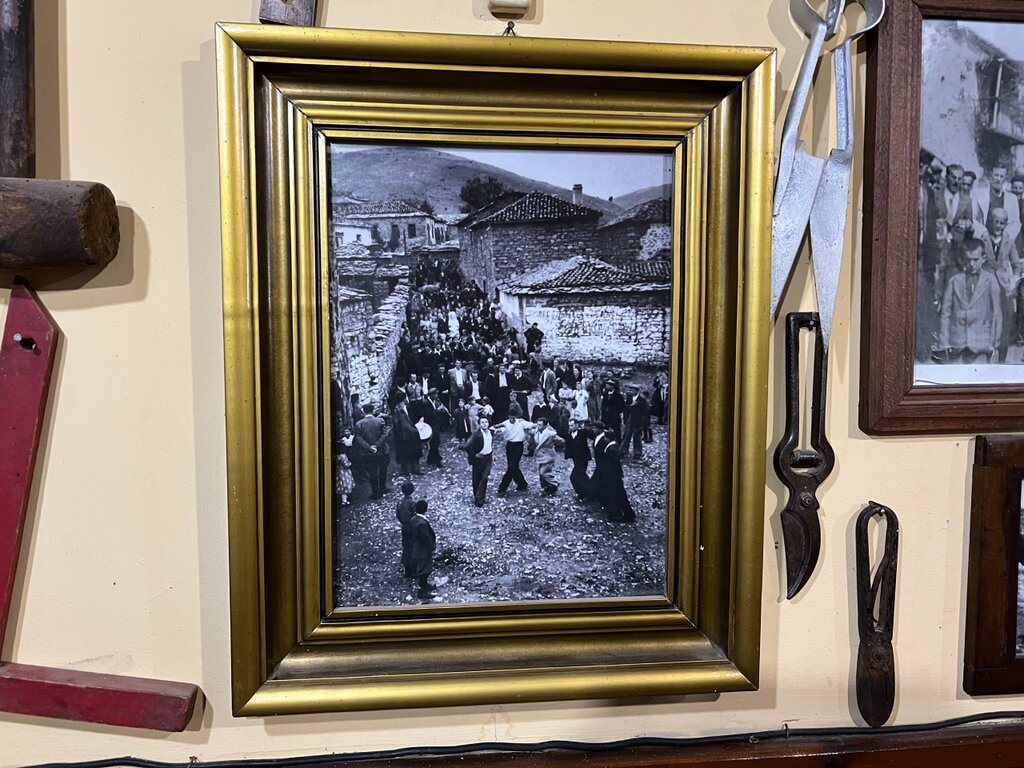
PHOTO Vesela Krasteva
The voice of Grandma Dimana and the memories of Pandi Endriko lead us into a world where Vërnik is alive, even when its streets are quiet and the houses are empty. Vërnik lives through the people who preserve its history, through the memories of bright days, of Christmas, New Year, the feasts of St. Petka and St. Demetrius; of weddings, when every house was filled with joy, laughter and the aroma of home-cooked meals. In 2026, with its quiet yards, the village of Vërnik will continue to speak – with the voice of the elderly and with the warmth of those who love this Bulgarian place in a foreign land. How much longer? – no one can say.
This publication was created by: Alexander Markov