Radio Bulgaria


News
First pensions in euro – Bulgaria’s elderly adapt to the new currency
Thursday 8 January 2026 15:38
Thursday, 8 January 2026, 15:38
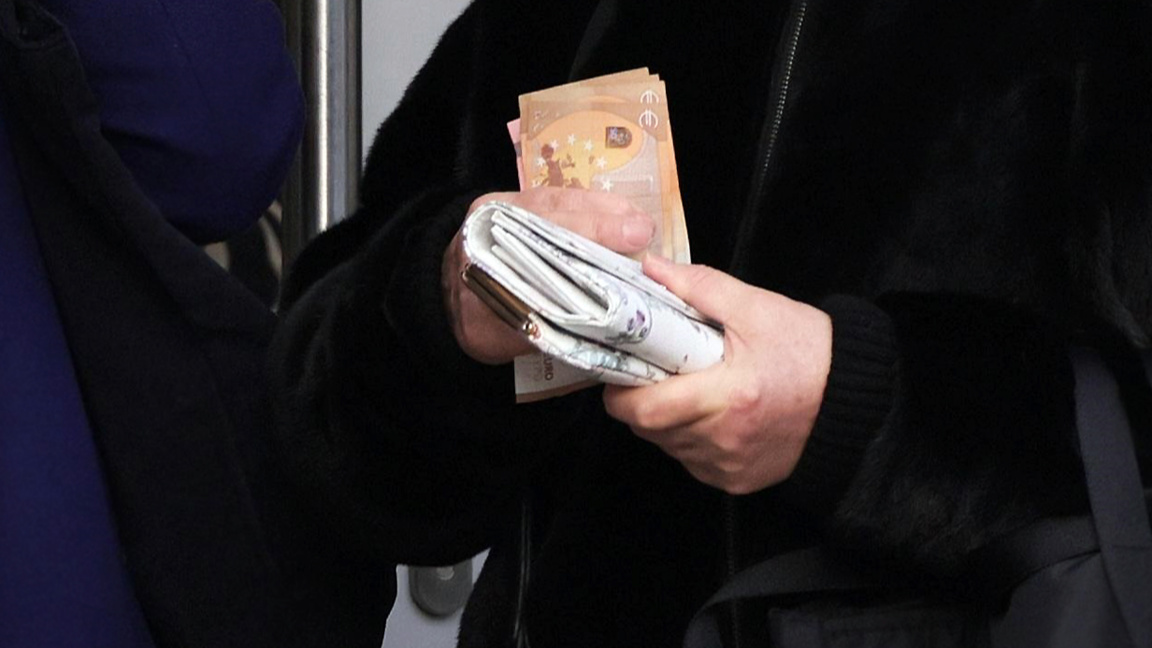
PHOTO BGNES
Font size
Pensioners in Bulgaria are receiving their first pensions in euro after the country became the 21st member of the eurozone in 2026. The payment began on January 7, when the funds were transferred to the accounts of people who receive their pensions by bank transfer, while queues formed in front of post offices. A chapter in the history of the National Social Security Institute, in which the lev accompanied the working life of generations of Bulgarians for more than a century, was closed. How do people accept the change?

PHOTO Nezabravka Kirova
As early as six in the morning on January 7, the first pensioners
stood in front of the Central Post Office in Silistra, BNR reporter
in the city, Nezabravka Kirova, informs. Although the deadline for
receiving the pensions is January 20, many were in a hurry not only
because of the need to receive their money, but also because of the
change in the currency. The moods are different – from
moderate optimism to resignation. In euros or in levs, the money is
still not enough, people comment. Prices are going up and the kind of
currency doesn't matter much.
"We will now
shop in euros, let's hope that our lives will get better. I am
optimistic because when I went to the store my bill was 16 euros,
otherwise I had to pay over 30 levs and I said to myself: ‘before
with 20 levs I couldn't fill my bag, but now with 20 euros I can do
more things’” – this is how a woman from Silistra seeks a
positive reading of the situation and against the backdrop of
difficulties, finds the strength to be grateful: “We may not have
enough, but we still have them – it may be little, but there are
people who don't have that much."
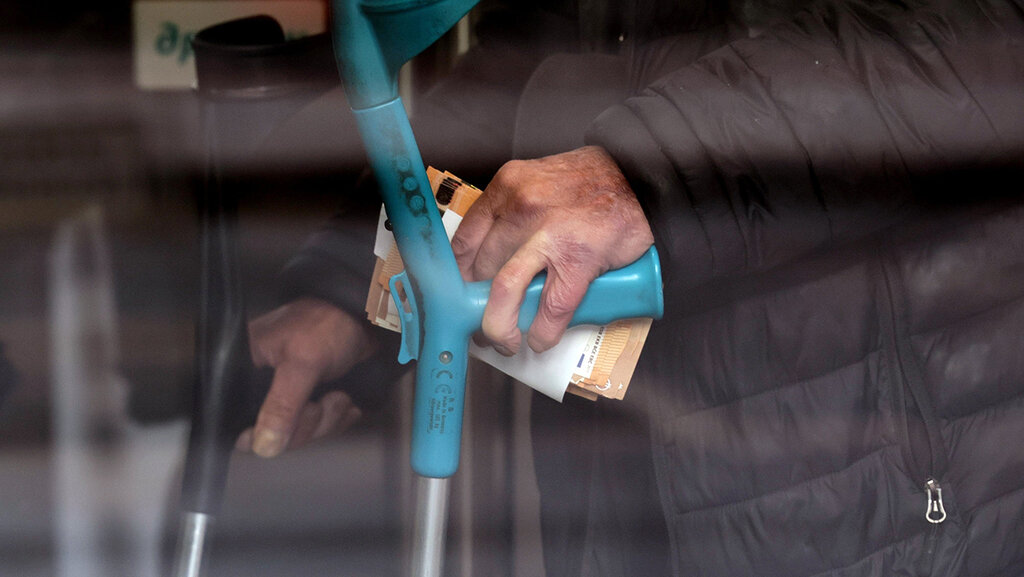
PHOTO BGNES
From the beginning of 2026, pensioners who receive a minimum pension
for length of service and age will receive 322.37 euros, while the
maximum pension is 1,738.40 euros.
"This is the
first time I've seen euros, I've never been abroad,” says a
resident of Silistra and adds: “I'll now go home to look at them.
Pensions are calculated accurately, now I'll start
calculating the bills. It was the same with the levs - I get my
pension and from here I go to pay for electricity, water, and
telephone. It will be difficult for us, but we'll get used to it."
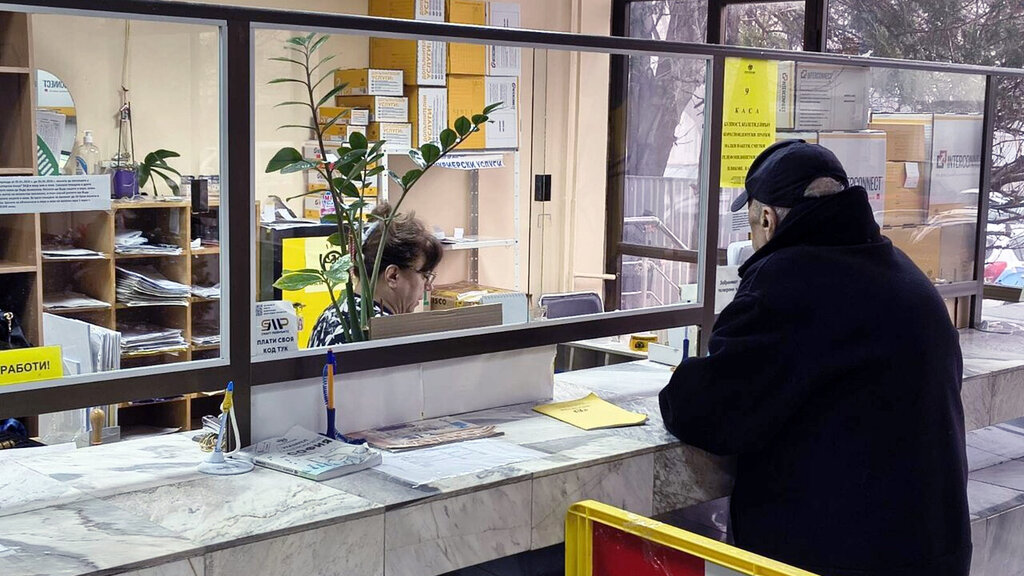
PHOTO Nezabravka Kirova
Bulgarian Posts specify that two cash desks are operating at the Central Post Office in Silistra, as required by law. The employees have been trained to work with the new software. Over 70 post offices in the region are paying pensions, according to a preliminary schedule, said Hussein Hamdi, director of the Bulgarian Post branch in the regional town, specifying that all offices have the necessary technical equipment.
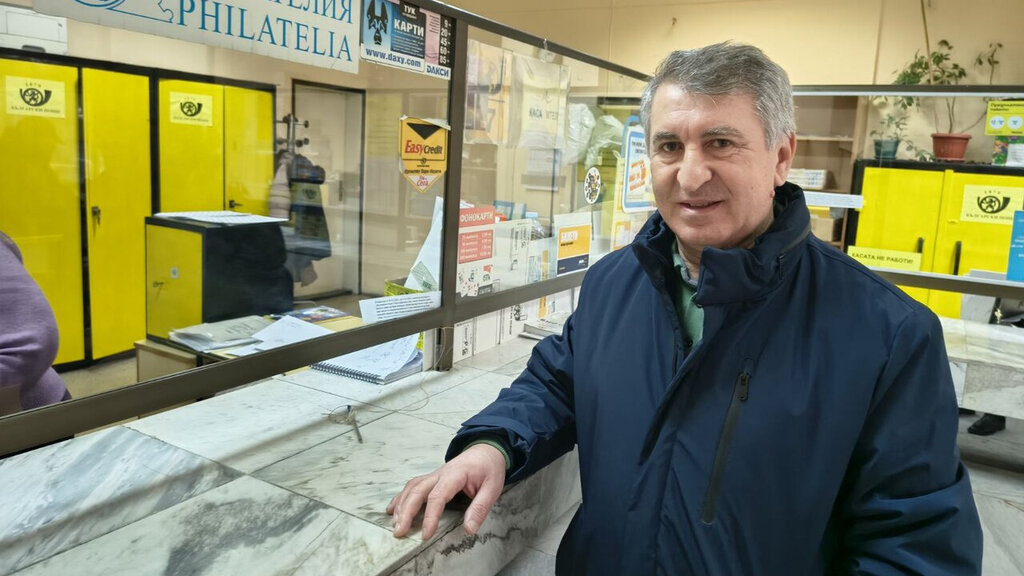
PHOTO Nezabravka Kirova
"We have a software product that calculates at the official rate, which is legally required for the euro. We have coin and banknote counting machines, as well as testers to check whether the banknotes are fake or real. Our colleagues, the cashiers, have also been trained. This is largely what we have done to be prepared and to work more calmly, more patiently, because after all, these are new banknotes and coins and we want to prevent mistakes during the currency conversion,” Hussein Hamdi pointed out and specified that pensioners can receive their money from any post office, thanks to the information system they work with.

PHOTO Nezabravka Kirova
Pensions are now in euros, but the worries and hopes remain the same.
For some, this is simply a change of banknotes, for others –
something unknown. For most people it is another month in which they
will count carefully. Between yesterday's lev and today's euro,
people are looking for the certainty that they will have enough –
at least until the end of the month.
Report from Silistra
by Nezabravka Kirova
Editor: Elena
Karkalanova